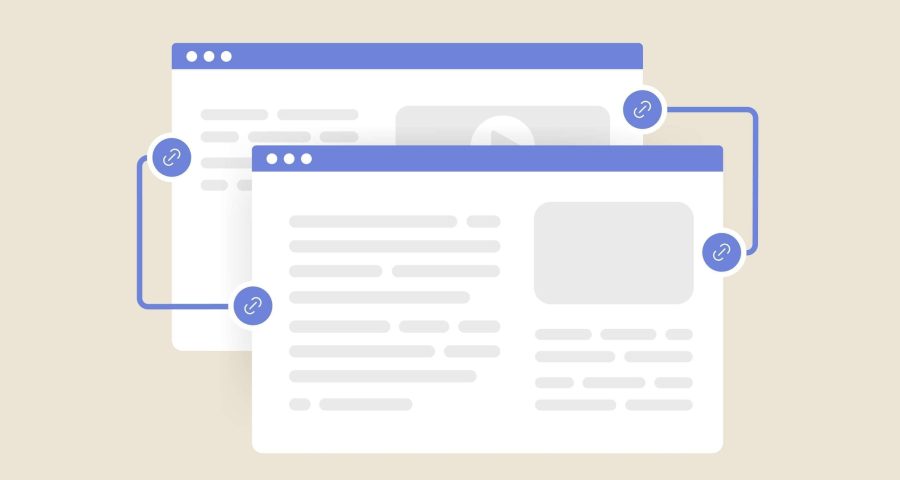

Internal links are a cornerstone of effective SEO strategies, serving as a powerful tool to guide users and search engines through your website. These hyperlinks connect different pages within your site, making it easier for search engine bots to discover and index your content. This, in turn, significantly boosts your rankings.
Here are some reasons why internal linking is essential to your SEO efforts. Scroll down for some best practices to consider when using internal links. As with most SEO strategies, misusing internal links could negatively impact your rankings and performance.
Improve Page Indexing
Internal links provide crawlers with a pathway from one page to another within your site. When crawlers come across internal links on a page, they find new pages to add to their index.
Increase Link Authority
This refers to the authority a page has on your site—i.e., how it ranks on search engines. Internal linking can provide visibility to less popular pages through high authority pages.
Boost SERP Ranking
The two above factors will boost your ranking on the search engine results page, inevitably increasing your site awareness and traffic.
Best Practices for Internal Linking
Internal linking can be vital for your website’s success. Links that point to relevant pages on your site can significantly improve your search performance—here are some ways to use internal linking to your advantage.
Link to Relevant Content
One of the most important factors to consider when using this SEO strategy is to link to relevant content. Relevancy plays a crucial role in ranking factors, as search engines want to show users relevant content. Linking to relevant content will position you as an expert while providing a positive user experience.
Use Descriptive Anchor Text
An excellent way to encourage users to click on internal links is by giving the user an idea of what they’ll find if they click. Using descriptive anchor text so that users and search engines know what the page is about that you are linking to is a strong recommendation from Google. Avoid using simple phrases like “Click Here” or “Learn More.”
Link from High Authority Pages
As mentioned above, internal linking helps with authority throughout the site. If you have a high authority page, meaning a page attracting lots of traffic and ranking high on the SERP, you can use that to boost the visibility of related pages. Remember to only link to relevant pages; don’t take it too far and risk link stuffing.
Keep Links Natural
Although descriptive anchor text is a great way to add relevant keywords to your page, you don’t want to overdo this and risk violating Google’s algorithms. Try to write naturally, and only add an internal link when it makes sense. In addition to providing the information they need, you also want to provide them with a natural reading experience — multiple links next to each other are unnatural.
Boston Web Marketing SEO Services
There are various ways that internal linking can go wrong. Google has multiple algorithms to look out for for black hat SEO tactics, and link and keyword stuffing are at the top of that list. If you need assistance properly using internal linking, work with our experts at Boston Web Marketing. We can help you get found quickly on Google.